Source Cast Iron Inspection Platform for Welding, Machining, and Assembly
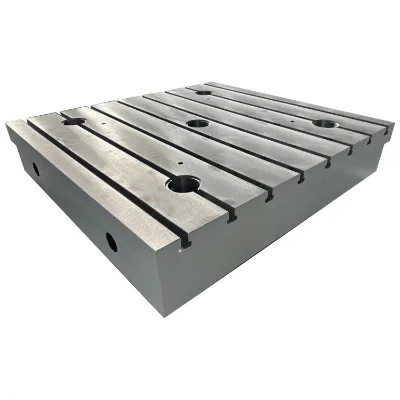
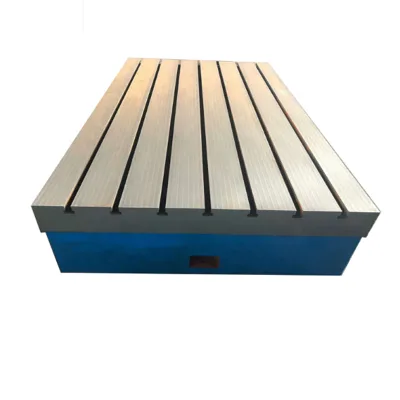
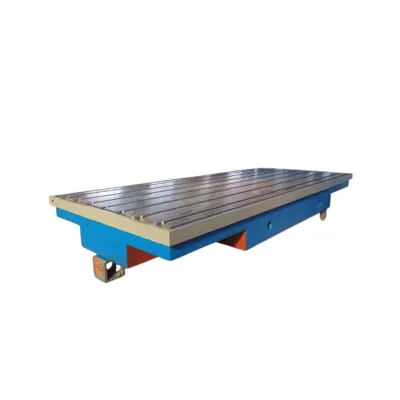
Compare 30 cast iron inspection platform options from verified suppliers. These platforms feature adjustable welding turning rolls, CNC control modes, and customizable dimensions for diverse mechanical manufacturing needs. Buyers can evaluate specifications like hole diameter, surface treatment, and load capacity to select the right equipment for clamping and pressing work in various industries.
Key considerations
Products List


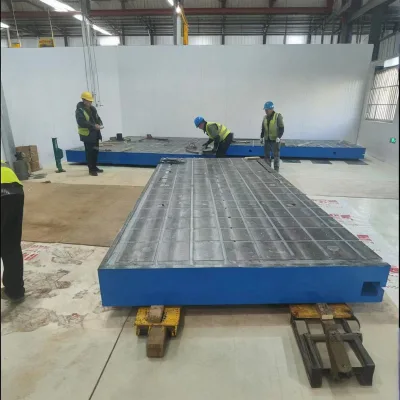
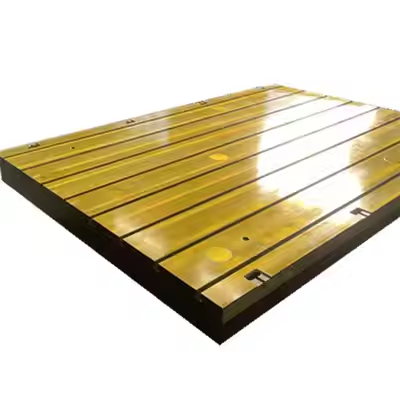
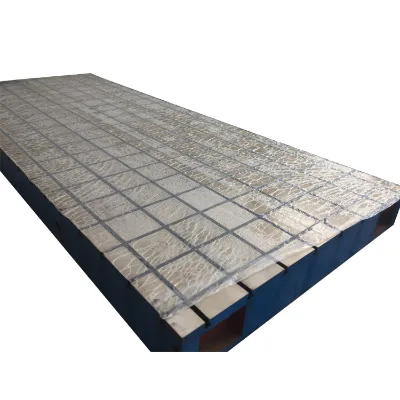
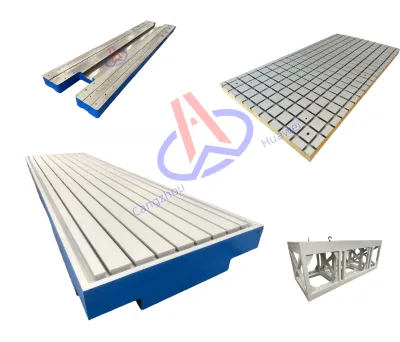






Comprehensive Sourcing Guide
Cast Iron Inspection Platform Sourcing Guide
Procuring a cast iron inspection platform requires a disciplined approach to verifying material integrity and dimensional stability, as these components serve as the foundational reference for precision manufacturing and quality assurance. Buyers must prioritize platforms that demonstrate high rigidity and vibration damping capabilities, which are inherent properties of high-quality cast iron. The selection process should begin with a clear definition of the required surface area and load-bearing capacity, ensuring the chosen unit aligns with the specific spatial constraints of the workshop and the weight of the workpieces being inspected.
Beyond basic dimensions, the surface finish and hole pattern configuration are critical determinants of versatility and long-term usability. Platforms featuring T-slots or precision-drilled holes allow for flexible fixturing solutions, enabling engineers to secure complex assemblies without custom jigs. It is essential to verify that the surface treatment, such as nitriding or specialized coating, provides adequate resistance to wear and corrosion, thereby maintaining measurement accuracy over time. This initial phase of selection sets the stage for a successful procurement by balancing immediate operational needs with future scalability.
Product Scope and Observed Listing Signals
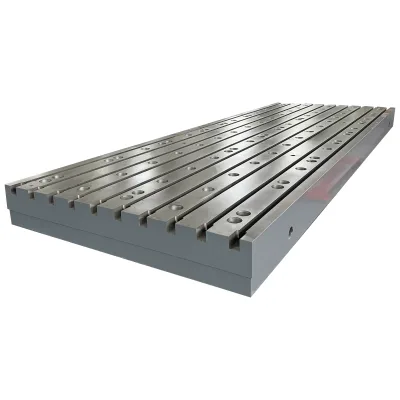
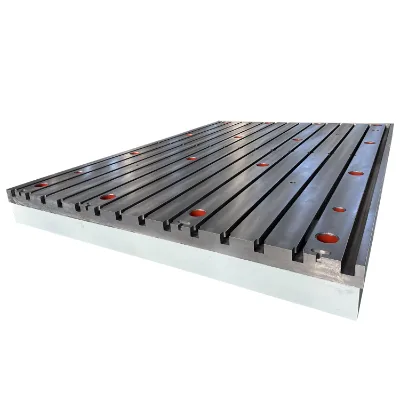
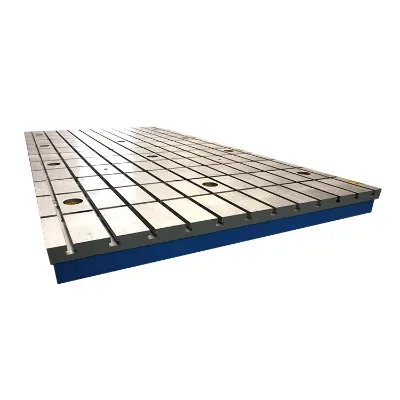
The current market for cast iron inspection platforms reveals a diverse range of configurations, including specialized variants like 3D welding tables and T-slot work platforms that share core material characteristics. Listings frequently highlight customization options, allowing buyers to tailor dimensions and hole patterns to specific workflow requirements. Observed product attributes indicate a strong emphasis on structural durability, with many units described as having sturdy and durable core components designed to withstand heavy industrial use. This variability in product scope suggests that buyers should look beyond generic descriptions to identify platforms that offer the specific clamping and pressing functionalities required for their unique applications.
Market signals also point to a wide spectrum of pricing and minimum order quantities, reflecting the custom nature of many industrial fixtures. Prices can vary significantly based on size, material composition, and additional features such as CNC control modes or integrated scales. Buyers should note that while some listings offer standard sizes, others provide fully customized dimensions, which may impact lead times and overall cost. Understanding these listing signals helps in filtering suppliers who can meet both technical specifications and commercial expectations, ensuring that the selected platform integrates seamlessly into existing production lines without unnecessary delays or budget overruns.
Technical Specifications to Verify
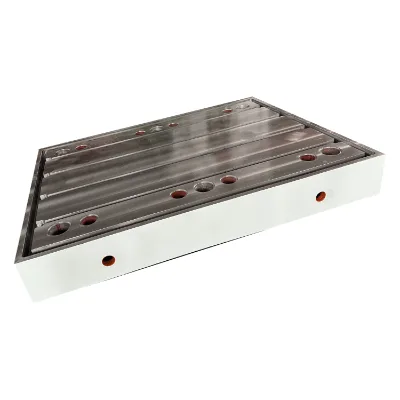
Dimensional accuracy and surface flatness are the most critical technical parameters to verify when sourcing a cast iron inspection platform. Buyers should request detailed certification of flatness tolerances, as even minor deviations can compromise the accuracy of measurements taken on the platform. Additionally, the hole diameter and pattern, such as D28 and D16 configurations, must be confirmed to ensure compatibility with existing clamping systems and tooling. It is also important to assess the load-bearing capacity, which may be specified in kilograms, to ensure the platform can support the intended workpieces without deflection or structural failure during operation.
Material composition and surface treatment processes further influence the platform’s performance and longevity. Cast iron platforms often undergo nitriding or similar hardening processes to enhance surface hardness and wear resistance. Buyers should verify the specific type of cast iron used, as different grades offer varying levels of damping and stability. Furthermore, the presence of additional features like integrated scales or CNC control modes can add value but requires careful evaluation of their accuracy and reliability. Confirming these technical details through supplier documentation or third-party testing ensures that the platform meets the rigorous demands of precision inspection tasks.
Compliance and Safety Documentation
While specific safety certifications may vary by region and application, buyers should ensure that the supplier provides comprehensive documentation regarding the platform’s structural integrity and material safety. This includes mill certificates for the cast iron used, verifying that the material meets industry standards for chemical composition and mechanical properties. Additionally, any surface treatments or coatings applied to the platform should be accompanied by safety data sheets to ensure they are safe for use in the intended environment, particularly if the platform is used in areas with strict environmental or health regulations.
Documentation should also cover the manufacturing process and quality control measures implemented by the supplier. Buyers should request evidence of rigorous testing procedures, such as stress testing or flatness verification, to confirm that the platform meets specified tolerances. Warranty information is another crucial aspect of compliance, with many suppliers offering warranties on core components to guarantee performance over time. By thoroughly reviewing these documents, buyers can mitigate risks associated with non-compliance and ensure that the inspection platform adheres to all relevant safety and quality standards.
Cost Drivers and Commercial Terms
The cost of a cast iron inspection platform is influenced by several factors, including size, material quality, and the level of customization required. Larger platforms with higher load-bearing capacities and specialized surface treatments typically command higher prices. Buyers should also consider the impact of minimum order quantities on pricing, as bulk purchases may offer economies of scale. Additionally, the inclusion of advanced features such as CNC controls or integrated measurement systems can significantly increase the overall cost, so it is important to balance these features against actual operational needs to avoid unnecessary expenditure.
Commercial terms, such as payment conditions, shipping arrangements, and warranty coverage, play a significant role in the total cost of ownership. Buyers should negotiate clear terms regarding delivery times and penalties for delays, as these can impact production schedules. Warranty periods, which may range from one to three years for core components, provide valuable protection against defects and should be clearly defined in the contract. By carefully evaluating these cost drivers and commercial terms, buyers can secure a favorable deal that aligns with their budget and operational requirements while ensuring long-term value.
Supplier Qualification and Quality Control
Selecting a qualified supplier is paramount to ensuring the quality and reliability of the cast iron inspection platform. Buyers should verify the supplier’s manufacturing capabilities, including their experience with cast iron processing and surface treatment technologies. It is advisable to request references or case studies from previous clients to assess the supplier’s track record in delivering high-quality platforms. Additionally, suppliers who offer OEM, ODM, or OBM services may provide greater flexibility in customizing the platform to meet specific needs, but buyers should ensure that these services are backed by robust quality control processes.
Quality control measures implemented by the supplier should be thoroughly evaluated to ensure consistency and reliability. Buyers should inquire about the supplier’s inspection protocols, including in-process checks and final product testing, to verify that each platform meets specified tolerances and performance standards. Suppliers who adhere to international quality management systems, such as ISO certifications, are often more reliable in delivering consistent quality. By prioritizing suppliers with strong quality control practices, buyers can minimize the risk of receiving defective products and ensure that the inspection platform performs reliably over its lifespan.
Long-Term Procurement Checks
Establishing long-term procurement checks is essential for maintaining the performance and accuracy of the cast iron inspection platform over time. Buyers should implement a regular maintenance schedule that includes cleaning, inspection for wear, and verification of surface flatness. It is also important to monitor the platform’s performance in real-world applications, noting any deviations or issues that may arise during use. By proactively addressing these issues, buyers can extend the lifespan of the platform and ensure that it continues to meet the required precision standards.
Supplier relationship management is another critical aspect of long-term procurement. Buyers should maintain open communication with their suppliers to address any concerns or issues that may arise during the platform’s use. Regular feedback on performance can help suppliers improve their products and services, while also fostering a collaborative relationship that benefits both parties. Additionally, buyers should stay informed about advancements in platform technology and materials, as these may offer opportunities for upgrading or replacing existing units with more efficient and accurate solutions. By implementing these long-term checks, buyers can maximize the value and utility of their cast iron inspection platforms.
FAQs
What is the primary material used for these welding tables?
The primary material is cast iron, often combined with steel for structural components. This composition ensures the platform remains sturdy and durable during heavy-duty clamping and pressing work. The cast iron base provides excellent vibration damping and stability, which is critical for maintaining precision in welding and cutting operations across various mechanical manufacturing processes.
Can the welding table dimensions be customized for specific projects?
Yes, customization is available for both size and configuration. Standard dimensions include 1200x1200mm and 3000x1500mm, but custom sizes can be produced to meet specific requirements. The product supports OEM, ODM, and OBM services, allowing buyers to tailor the platform to their unique workflow needs while maintaining the core structural integrity and functional specifications of the original design.
What is the warranty period for the core components?
The warranty for the core components is typically one year, though some models offer a three-year warranty. This coverage ensures that the sturdy and durable construction remains reliable during initial operation. Buyers should verify the specific warranty terms associated with their selected model, as variations exist between different product lines and configurations offered by the manufacturer.
How is the surface of the cast iron table treated?
The surface undergoes nitriding or nitridlash processing to enhance hardness and wear resistance. This treatment protects the platform from heat and abrasion during welding and cutting tasks. The finished surface ensures long-term durability and maintains a smooth working area, which is essential for accurate clamping and positioning of workpieces in various mechanical manufacturing and processing applications.
What is the typical weight and load capacity of these platforms?
Typical platforms weigh around 500kg, with load standards ranging from 600kg to 1000kg depending on the model. The heavy cast iron construction provides the necessary stability for holding large or heavy workpieces. Buyers should select a model with a load capacity that exceeds their maximum expected workload to ensure safe and stable operation during intensive industrial welding processes.
Is CNC control available for automated welding table operations?
Yes, certain models feature CNC control modes for automated positioning and rotation. This capability allows for precise tilting angles between 0-90 degrees and rotation speeds of 0.2-2rpm. The integration of CNC technology enhances efficiency and accuracy, making it suitable for complex welding fixtures and automated manufacturing lines that require consistent and repeatable positioning of workpieces.